Hey there! So, let’s chat a bit about how quickly navigation and motion tracking tech is changing these days. If you want to really nail it in this field, getting the right Inertial Measurement System (IMS) is super important for hitting that sweet spot of accuracy and reliability. Here at Poseidon International Group (Hong Kong) Limited, which we kicked off back in 2013, we’re all about pushing the envelope in this area. We pride ourselves on our know-how in independent research, design, and crafting some pretty cutting-edge solutions. We're focusing on things like fiber optic gyroscopes (FOG), inertial navigation systems (INS), and advanced attitude and control systems – all of which help ensure top-notch navigation accuracy. With several technical patents under our belt, Poseidon is really at the leading edge of innovation, breaking new ground in autonomous driving systems and smart technologies. In this blog, we’re going to dive into the many perks of using a top-notch Inertial Measurement System and how these key players can seriously boost navigation and motion tracking across all kinds of applications.
Understanding Inertial Measurement Systems: Key Components and Functionality
You know, Inertial Measurement Systems (IMS) are super important for keeping things on track when it comes to navigation and motion—whether we're talking about aerospace or just the smartphones we carry around every day. If you dig a little deeper into how these systems work, you’ll see some key players like accelerometers, gyroscopes, and magnetometers. These little guys team up to help us figure out exactly where we are in space and how fast we're moving. It's pretty wild how this tech creates data that helps ensure we get reliable navigation and tracking, making it a big deal for industries that need to be spot-on with their precision.
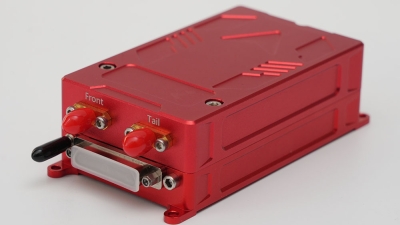
Lately, the industry has been buzzing about a shift toward making these inertial measurement components right here at home and keeping them affordable. A cool example of this is a local tech company that just dropped a compact and budget-friendly laser gyro inertial measurement unit. This isn't just about making tech cheaper and easier to get—it's also about boosting our own capabilities in building solid inertial navigation systems. With all these advancements, it's clear that as we strive for top-notch IMS, there’s also a push to reduce how much we lean on foreign tech. It really feels like we’re on the verge of a new era for accurate navigation and motion tracking solutions!
Comparative Analysis of Different IMUs: Selecting the Best Fit for Your Application
Picking the right inertial measurement unit (IMU) for your navigation and motion tracking needs is super important. You know, IMUs usually pack in accelerometers, gyroscopes, and sometimes even magnetometers, each bringing its own set of strengths for different tasks. For instance, there are IMUs that really shine when it comes to capturing fast movements, which makes them perfect for things like robotics and virtual reality. On the flip side, you’ve got IMUs that focus more on battery life and user-friendliness, which are great for sports gadgets and wearables.
One recent study even pointed out how awesome it is to pair IMUs with optical systems—they really create rich datasets for analyzing how we walk! The way these different data gathering methods work—like optical systems that visually track motion versus IMUs that pick up on acceleration—clearly shows why it’s essential to choose the right one based on what you need. Merging these technologies opens up a deeper understanding of how motion works, so engineers and researchers can come up with solutions that fit their goals. So when you’re shopping around for IMUs, just keep in mind factors like sensor accuracy, how easily you can integrate them, and what exactly your application requires.
Techniques for Enhancing Accuracy in Navigation and Motion Tracking
When it comes to inertial measurement systems (IMS), nailing down accuracy in navigation and motion tracking is super important for all sorts of applications, whether it’s robotics, aerospace, or anything in between.
A recent study from the International Journal of Robotics Research shows that using advanced sensor fusion techniques can boost positioning accuracy by as much as 50% compared to those old-school methods. By mixing data from accelerometers, gyroscopes, and magnetometers, developers can cut down on drift errors and really enhance how navigation systems perform.
One solid way to ramp up that accuracy is by using Kalman filtering. This mathematical technique sorts through measurements over time, helping to spit out estimates with minimal error.
According to a 2023 market report from Research and Markets, companies that have jumped on the Kalman filtering bandwagon in their IMS solutions have seen a whopping 30% boost in real-time tracking precision.
To take it a step further, using machine learning algorithms can also fine-tune these measurements. They allow systems to adapt to changing environments and sharpen their predictive skills. With the growing need for reliable navigation and motion tracking, it’s clear that picking up these techniques is key to hitting top performance levels in inertial systems.
Real-World Applications: How IMUs Transform Various Industries
You know, Inertial Measurement Units, or IMUs for short, have completely changed the game when it comes to how different industries handle navigation and motion tracking. They've become such a crucial part of all sorts of applications out there. Take aerospace, for example; IMUs are absolutely essential for guiding aircraft. They provide super accurate info on attitude and heading, which is key to keeping everything safe and sound in the sky. Thanks to the data these systems gather, pilots can tweak their routes on the fly, making air travel not just safer, but also a lot more efficient.
And it doesn't stop at aviation. In the automotive world, IMUs have become a big deal in advanced driver-assistance systems, or ADAS for those in the know. They’re behind features like lane-keeping assistance and vehicle stability control, which really contribute to making driving a lot safer overall.
But wait, there's more! The influence of IMUs goes way beyond just transportation. They are also shaking things up in fields like robotics and healthcare! In robotics, these little devices help machines figure out their position and movement in three-dimensional space, which is crucial for everything from factory automation to complex surgical procedures. And in healthcare? Well, wearable IMUs are picking up steam. They’re being used to monitor patient movements, help with rehabilitation, and even spot early signs of falls in older folks. As technology keeps evolving, the versatility and accuracy of IMUs are set to open the door to even more exciting applications across many different industries. Seriously, they’re reshaping how we think about navigation and motion tracking!
Challenges in IMU Implementation and Solutions to Overcome Them
Inertial Measurement Units (IMUs) are crucial for accurate navigation and motion tracking, yet the implementation of these systems often presents unique challenges. One major issue is sensor drift, which can significantly affect the precision of navigation data. According to a report by the International Journal of Advanced Robotic Systems, sensor drift can lead to positioning errors of up to 1.5% over time in dynamic environments. To overcome this, continuous calibration methods and advanced algorithms can be employed, ensuring that the IMU retains high accuracy over extended operations.
Another common challenge is the integration of IMUs with other sensor systems. The fusion of data from an IMU with other types of sensors, like GPS or visual sensors, can vastly enhance the overall reliability and accuracy of navigation systems. A study from the IEEE Transactions on Robotics highlighted that sensor fusion could improve positional accuracy by more than 20% in autonomous driving applications.
**Tips:** When selecting an IMU, ensure it’s tailored to your specific application requirements, as different use cases might demand varying degrees of sensitivity and responsiveness. Regularly updating the firmware can also help maintain performance standards, addressing vulnerabilities that may arise over time.
Poseidon International Group (Hong Kong) Limited, working at the forefront of the industry since 2013, specializes in the design and production of advanced inertial navigation systems and fiber optic gyroscopes. With multiple technical patents, we are committed to providing innovative solutions that meet the challenges faced in IMU implementation.
Challenges in IMU Implementation and Solutions
This chart displays the severity of various challenges encountered during the implementation of Inertial Measurement Units (IMUs). The challenges include sensor drift, temperature sensitivity, alignment errors, calibration issues, noise, and power consumption, each characterized by a numerical scale representing their impact on accurate navigation and motion tracking.
Future Trends in Inertial Measurement Technology: What to Expect
You know, the world of inertial measurement technology is really picking up speed these days. There are some big trends that are reshaping how we think about navigation and motion tracking. I came across this report from ResearchAndMarkets recently, and it said that the global inertial measurement unit, or IMU for short, market is expected to jump from about $4.92 billion in 2021 to a whopping $12.74 billion by 2026! That's a compound annual growth rate (CAGR) of 20.9%! Crazy, right? This rapid growth is mainly because more and more sectors, like aerospace, automotive, and robotics, are demanding super precise navigation. They’re moving away from old-school methods and getting into these advanced IMUs that promise accuracy and reliability like never before.
And that's not all! The mix of artificial intelligence (AI) with inertial measurement systems is going to take things to the next level. There's this study by MarketsandMarkets that predicts AI in the IMU market will grow at an eye-popping rate. Why? Well, it’s all about the need for better data processing and making real-time decisions. As industries dive deeper into autonomous systems, the need for IMUs loaded with AI-powered algorithms is going to be huge. They’re key to making motion tracking not just accurate but seamless, which can boost efficiency in all sorts of applications. All in all, it looks like we’re on the brink of some really exciting changes in inertial measurement technology that could completely redefine precision in navigation and motion tracking!
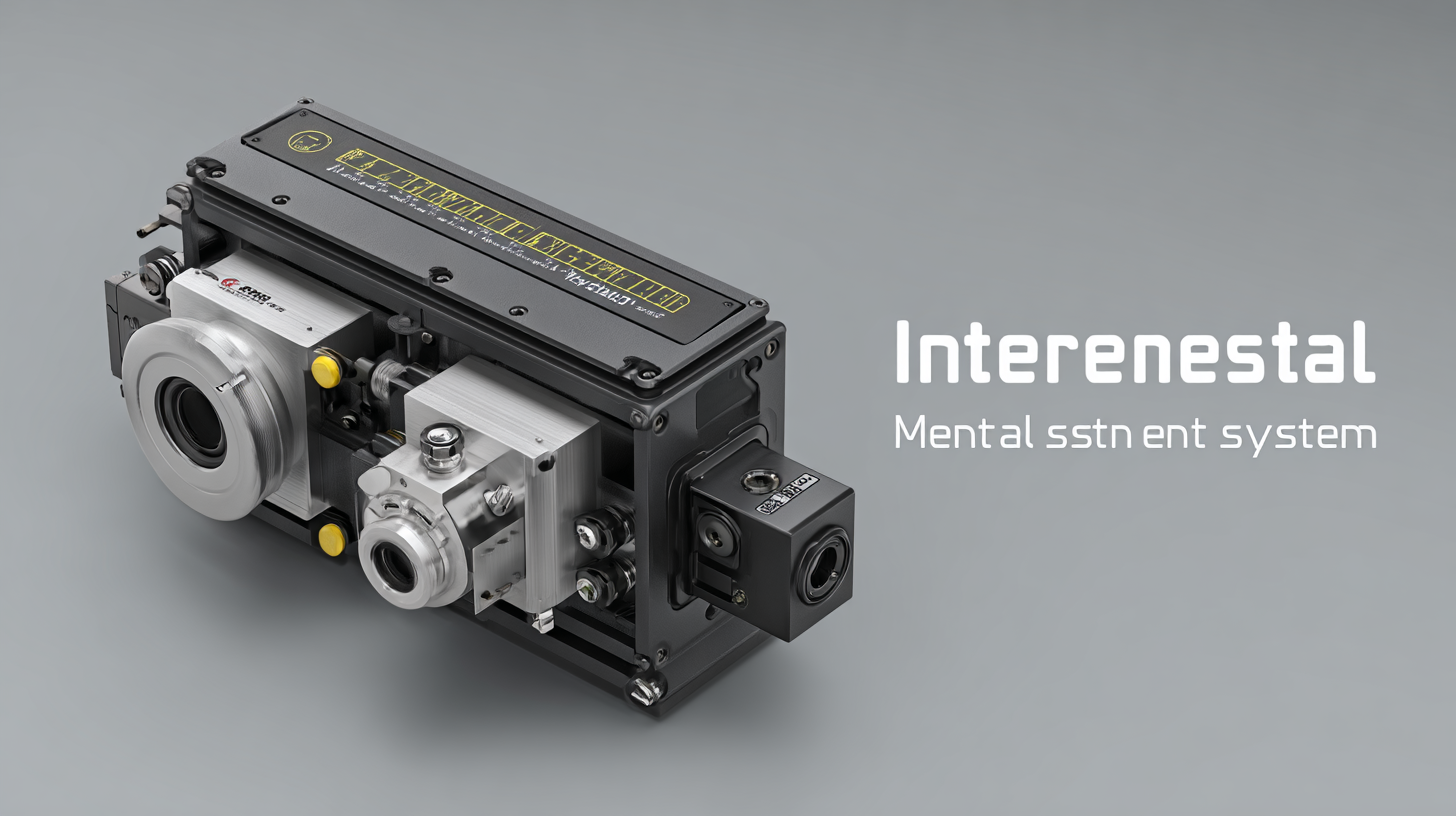
Unleashing Innovation: How the SLFC70 Flight Control System Transforms Hybrid UAVs into Smart Aerial Solutions
The SLFC70 Flight Control System is a groundbreaking innovation that is redefining the capabilities of hybrid UAVs. As the demand for more sophisticated aerial solutions continues to rise, the SLFC70 stands out as a fully integrated flight control and navigation system specifically engineered for quadcopter-hybrid VTOL fixed-wing drones. This technology represents a new frontier in the UAV industry, enabling operators to tackle complex mission requirements with precision and reliability.
What sets the SLFC70 apart is not just its advanced engineering, but its ability to transform traditional hybrid UAVs into smart aerial solutions. By seamlessly merging features of multirotors and fixed-wing aircraft, the SLFC70 enhances maneuverability, stability, and operational efficiency. This level of integration means that aerial missions can be executed more effectively, whether for surveillance, logistics, or environmental monitoring. By positioning itself at the cutting edge of flight control system technology, the SLFC70 is not just a tool for operators but a catalyst for innovation in the UAV market, paving the way for future advancements in aerial capabilities.
FAQS
: An IMU is a device that typically combines accelerometers, gyroscopes, and sometimes magnetometers to measure and report on an object's velocity, orientation, and gravitational forces.
Different IMUs offer diverse capabilities, with some excelling in high-frequency motion capture for applications like robotics and virtual reality, while others are designed for battery life and usability, making them suitable for sports and wearable technology.
The selection is crucial because the variations in IMUs can significantly affect the accuracy and effectiveness of motion tracking and navigation, impacting the performance of the specific application.
Combining IMUs with optical systems allows for comprehensive datasets that provide a more nuanced understanding of motion dynamics, which is essential for applications like human gait analysis.
Techniques such as advanced sensor fusion, Kalman filtering, and machine learning algorithms can enhance accuracy by reducing drift errors and adapting to dynamic environments.
Kalman filtering is a mathematical approach that processes measurements over time to produce estimates with minimized error, significantly improving real-time tracking precision.
Companies utilizing Kalman filtering have reported up to a 30% increase in real-time tracking precision.
Sensor fusion techniques integrate data from various sensors (accelerometers, gyroscopes, and magnetometers), helping to significantly reduce drift errors and enhance overall performance in navigation systems.
Machine learning algorithms refine measurements, allowing systems to adapt to dynamic environments and improving their predictive capabilities, which is essential for reliable navigation and motion tracking.
When comparing IMUs, factors such as sensor precision, integration capabilities, and the specific requirements of the application should be the primary considerations.

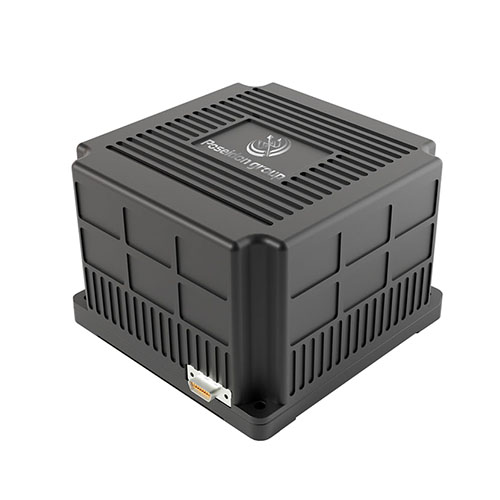 TBSD60
 BSD120
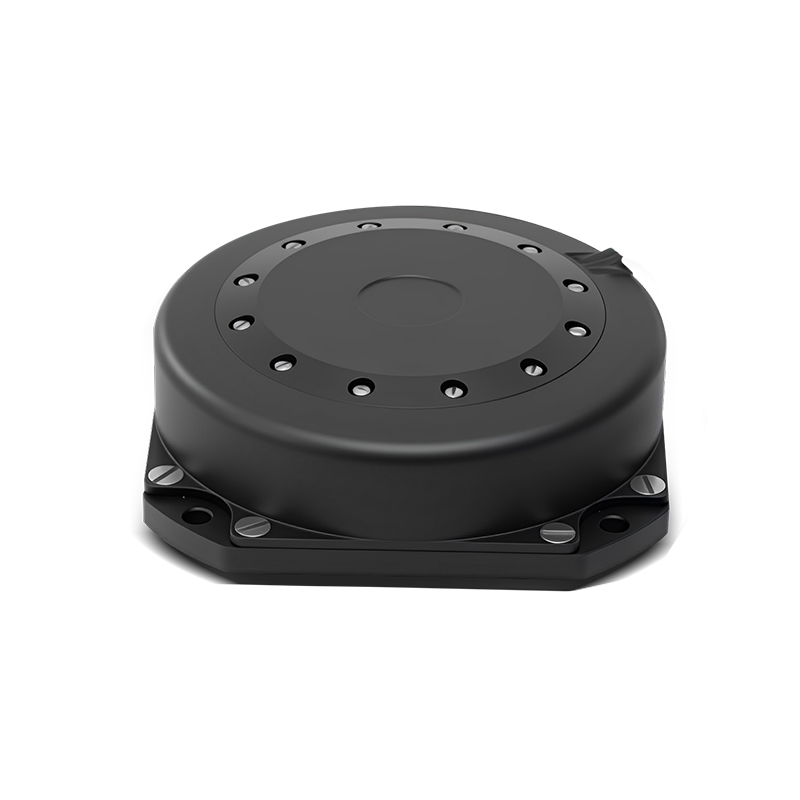 BSD98
BSD98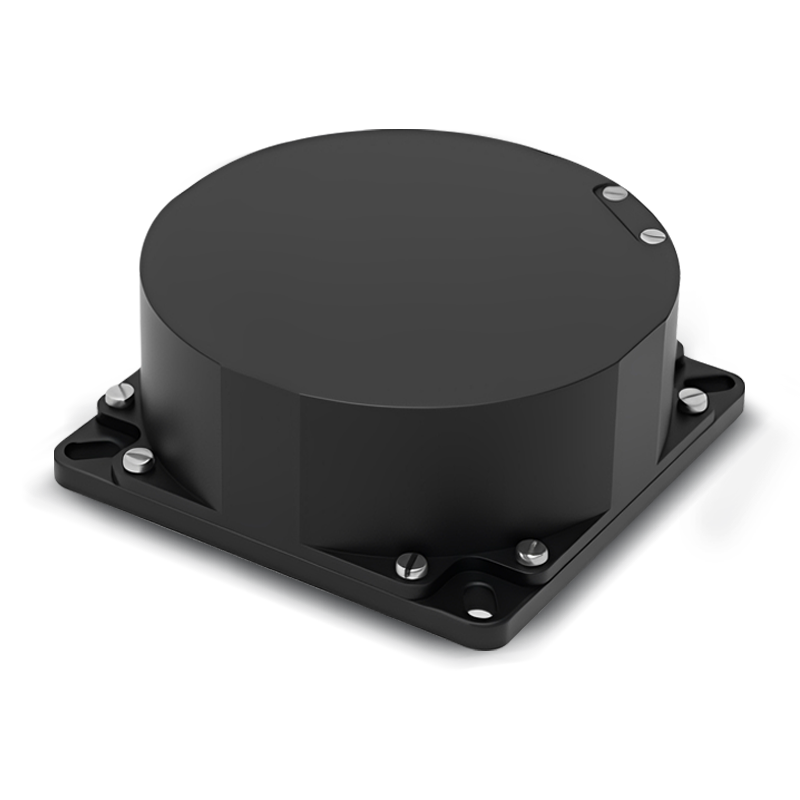 BSD70
BSD70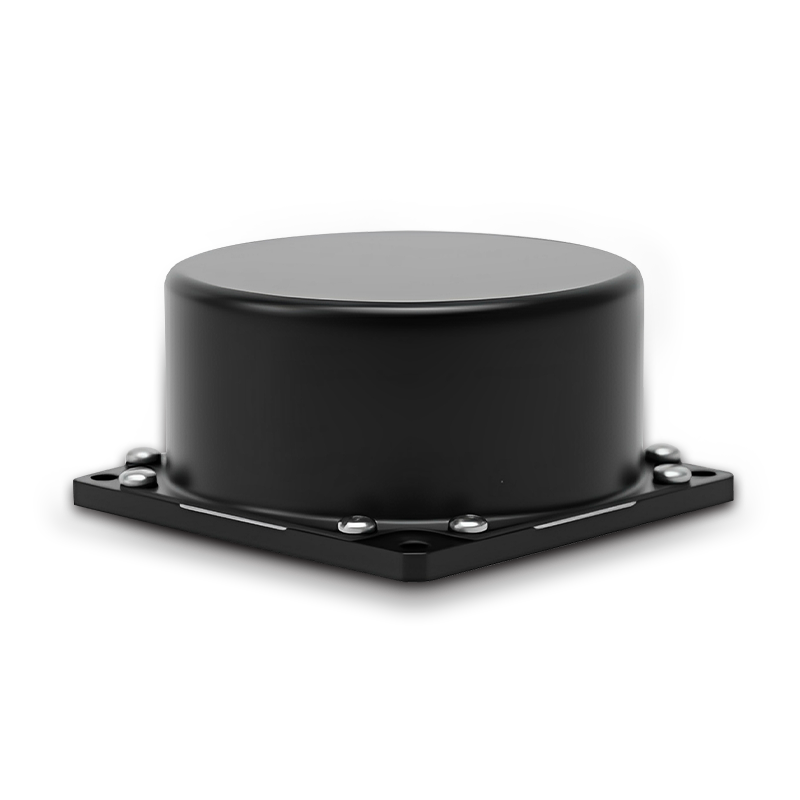 BSD60
BSD60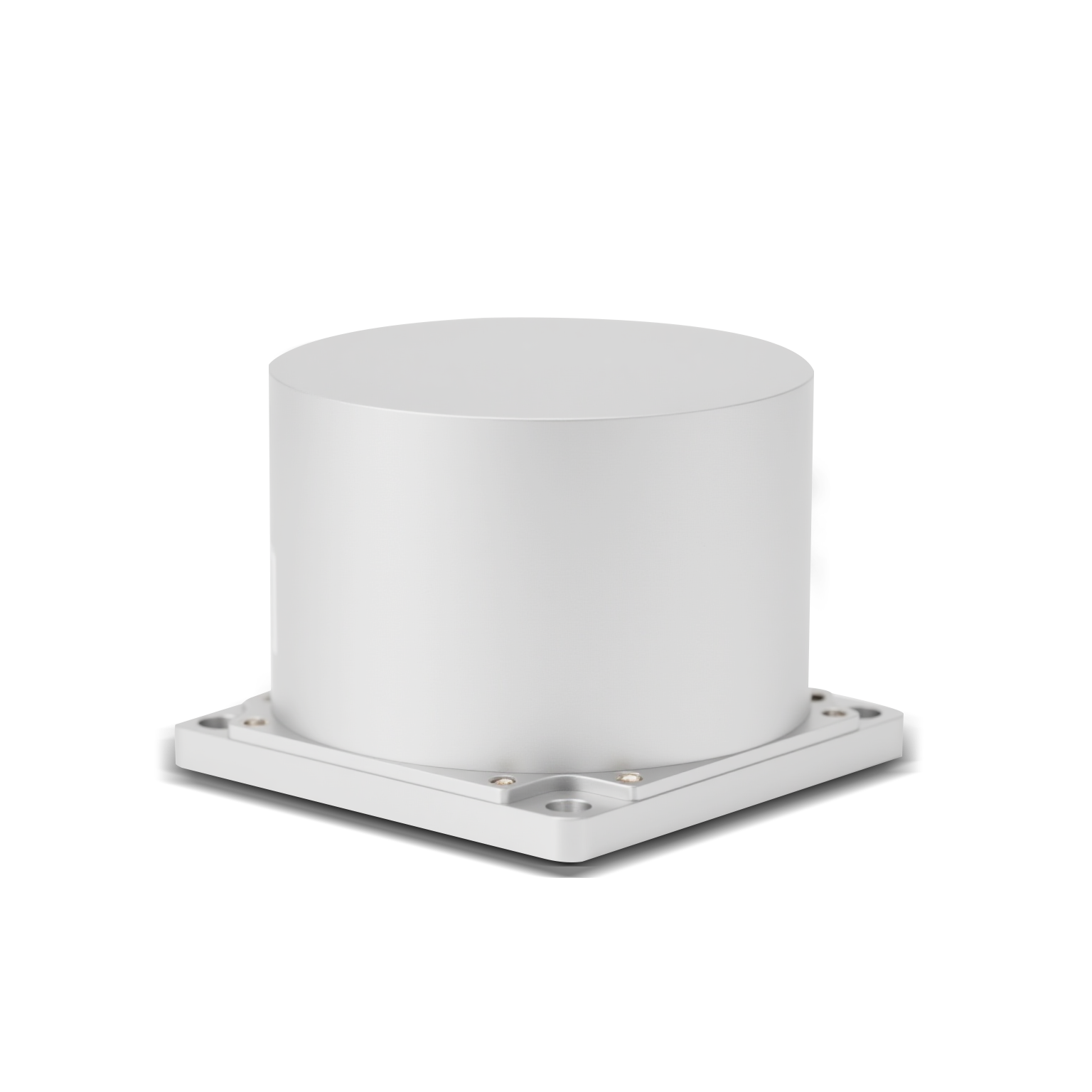 BSD50
BSD50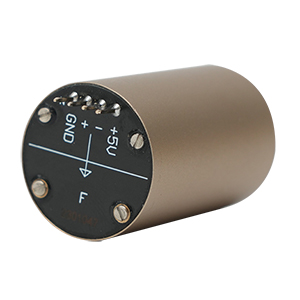 BSD217
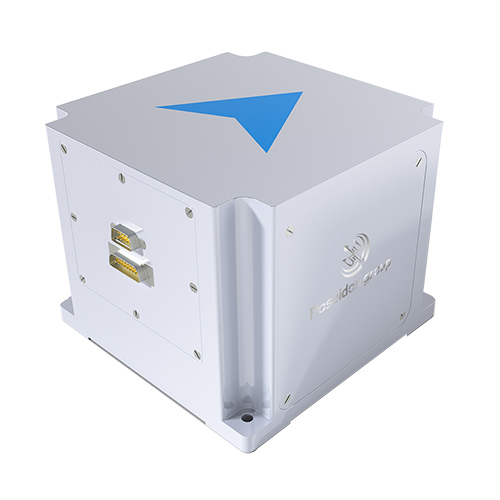 INS1700
 INS970
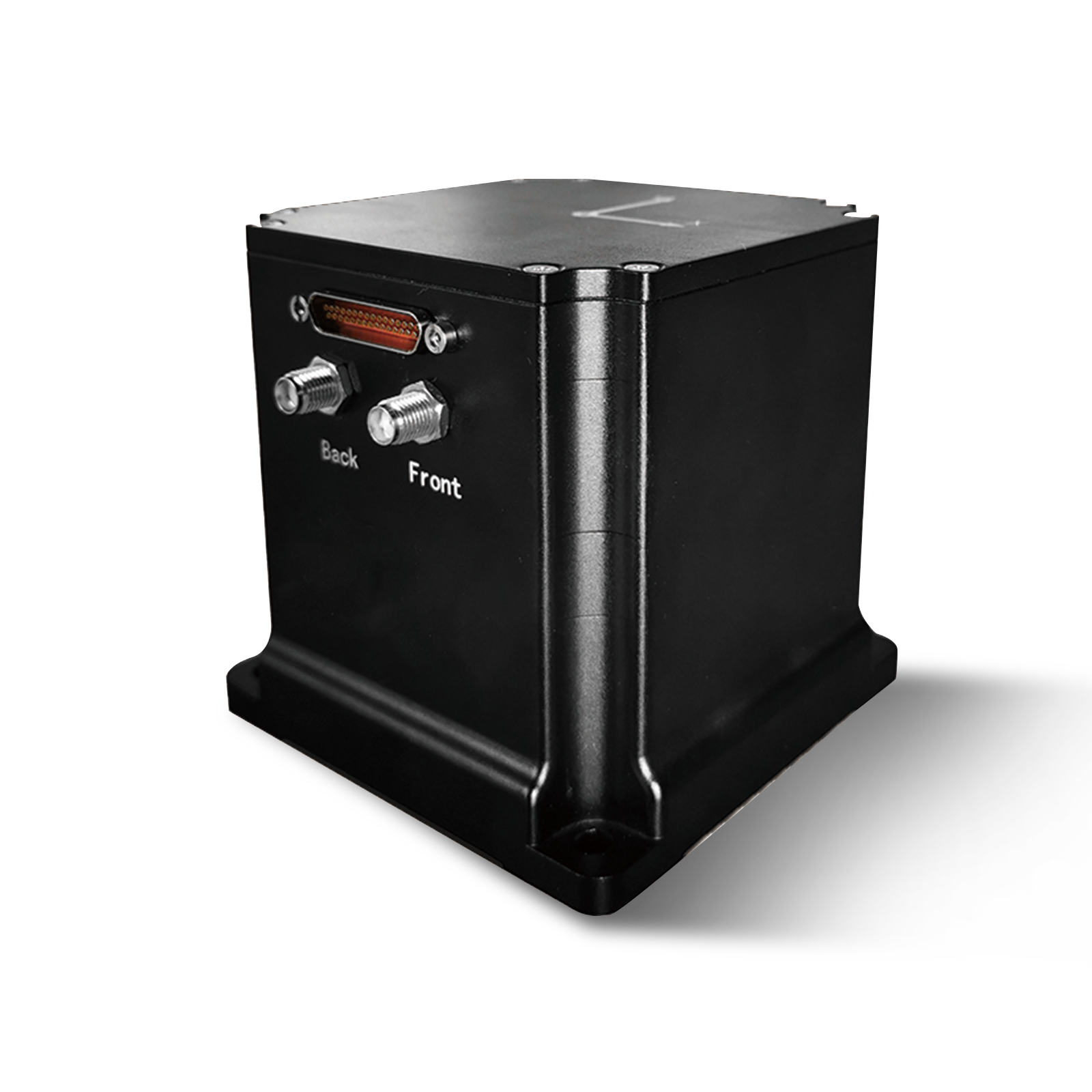 INS570
 INS170
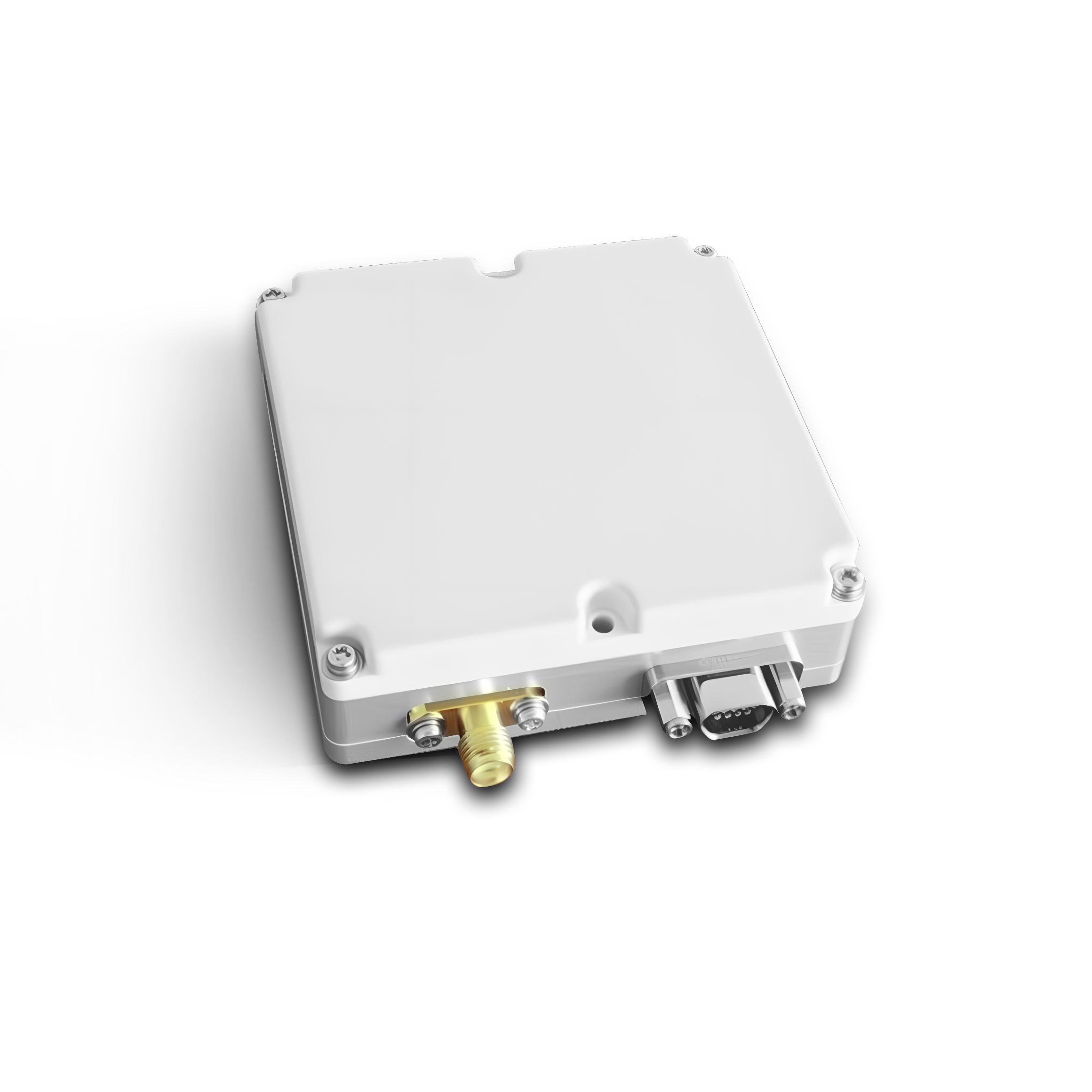 SLA-4B1L1-65
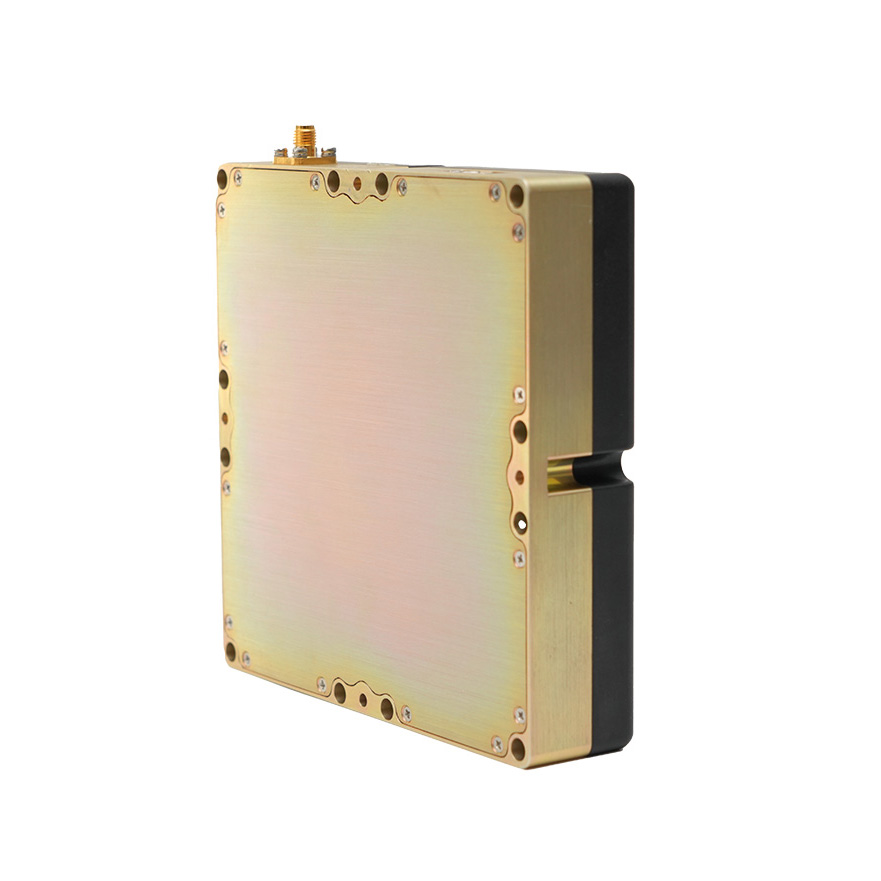 SLA-4B1L1-130
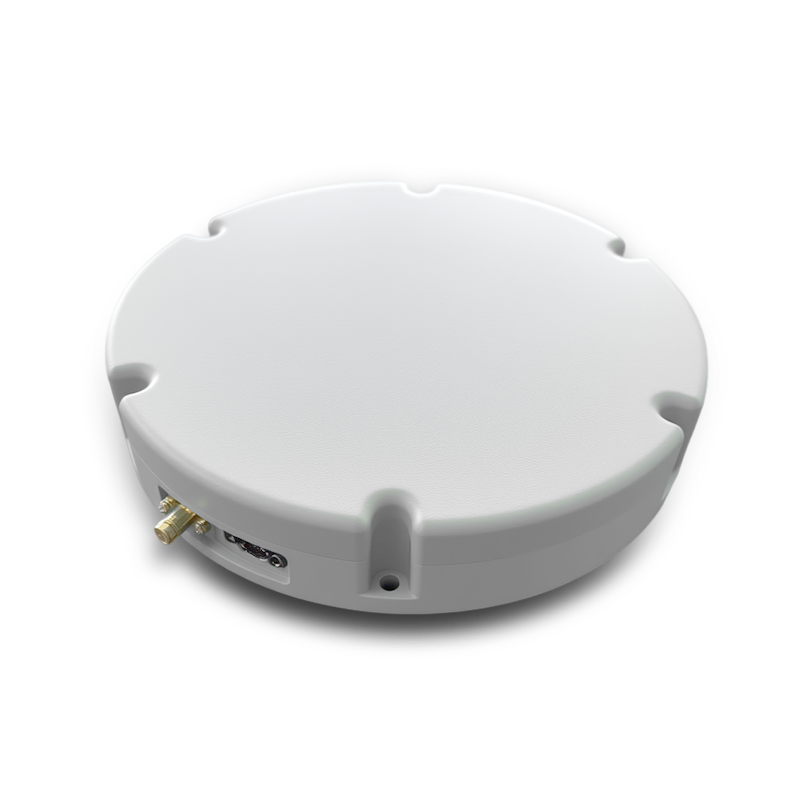 SLA-8B1L1-165
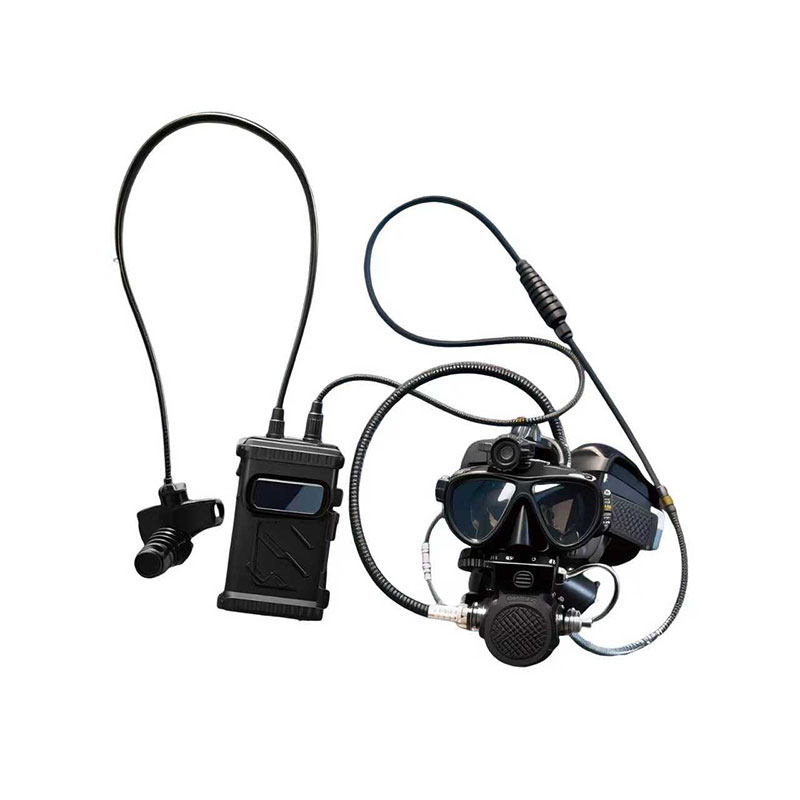
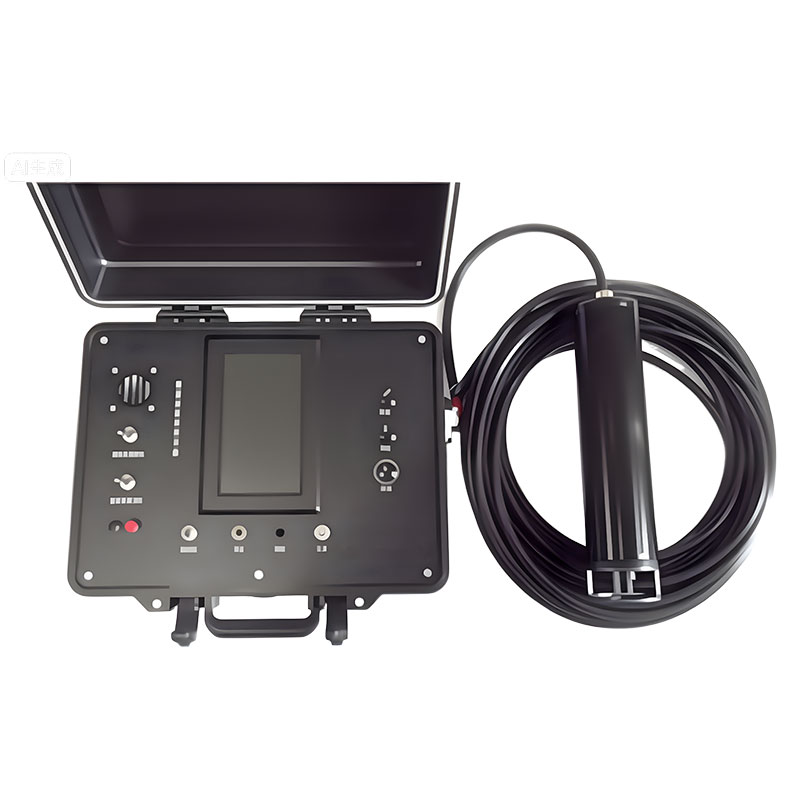 DIVER 101
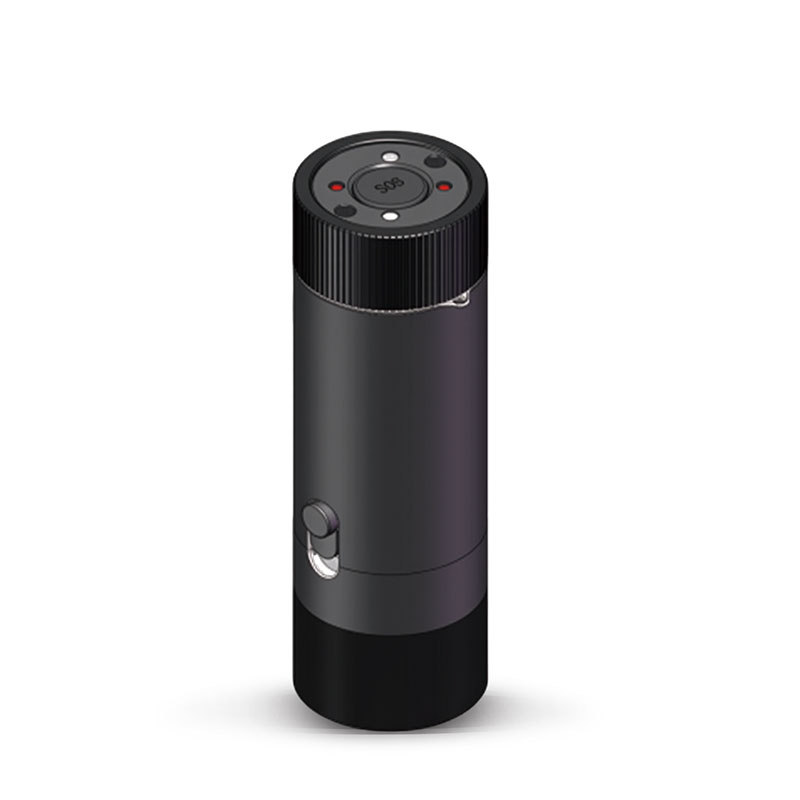
 DIVER 102
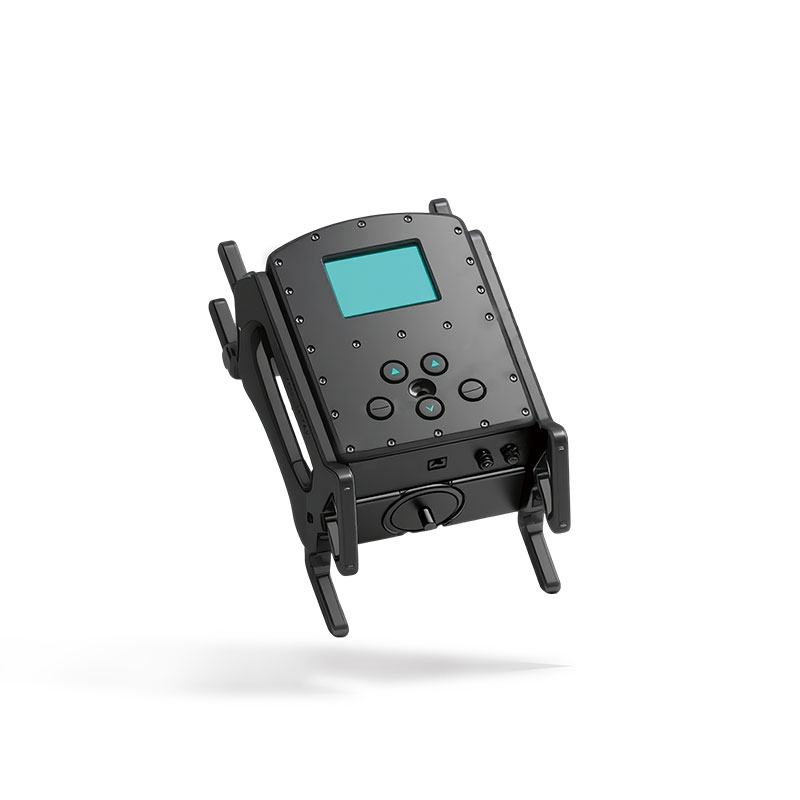
 DIVER 103
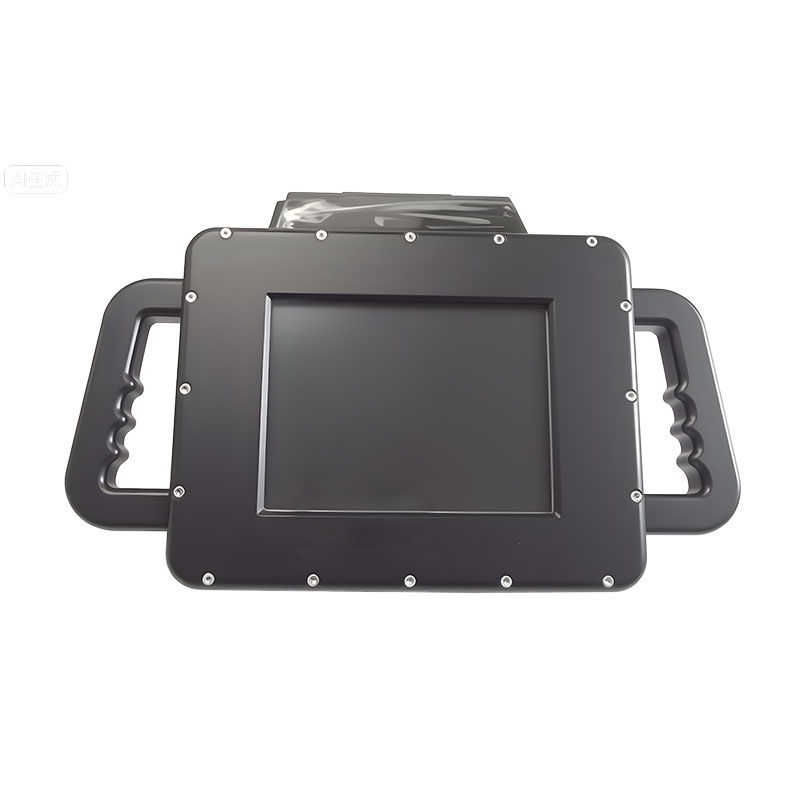
 DIVER 104
 DIVER 105
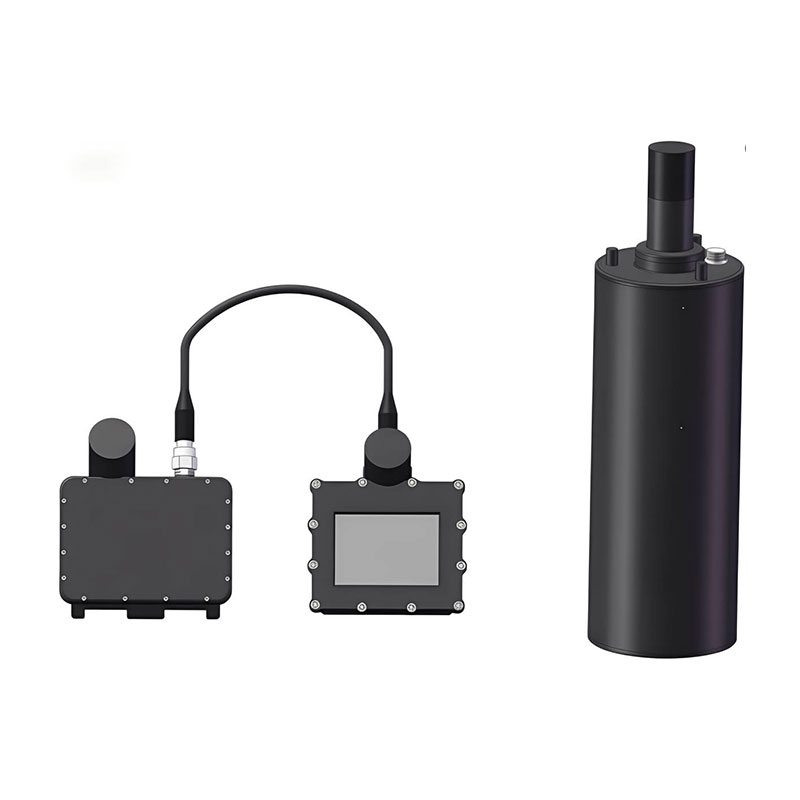 DIVER 106
 SLLR3000
 SLLR905
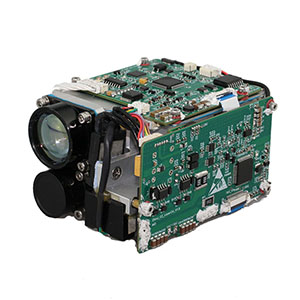 SLLD25
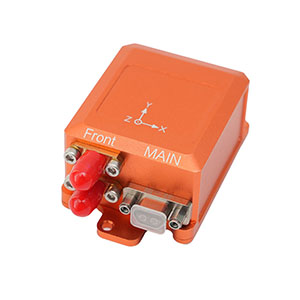 160M
160M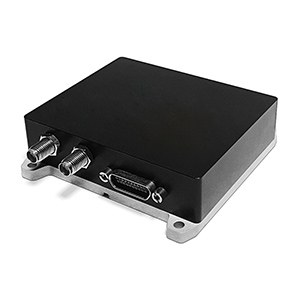 170M
170M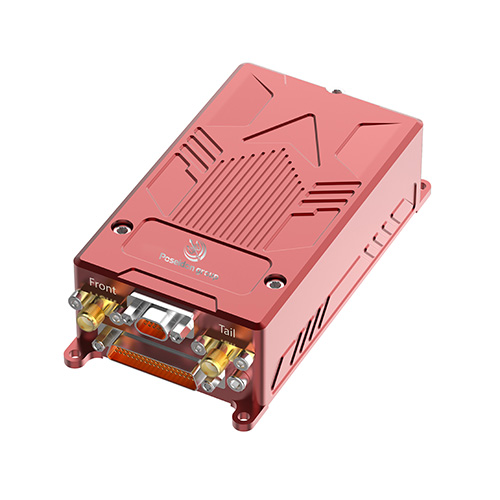 SLFC-70
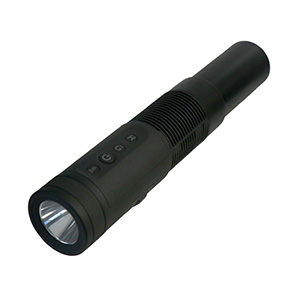 SLAF280
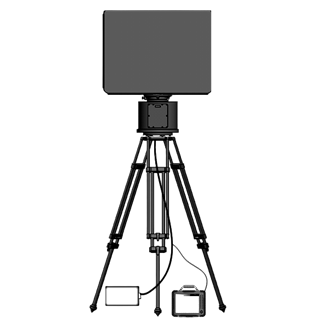 MR360
MR360